How does the level of personalized care compare between home-care providers, residential assisted living, and larger institutional facilities?
+
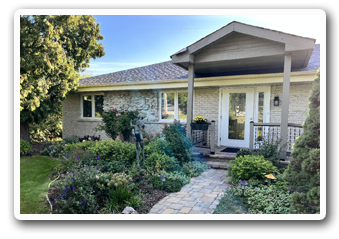
Residential assisted living offers the optimal balance by combining truly personalized care plans with consistent daily support in a homelike community setting. Caregivers get to know residents deeply through shared meals, activities, and routines, leading to better anticipation of needs and higher dignity. In contrast, home-care providers often suffer from inconsistent scheduling, caregiver turnover, and fragmented communication, which can result in missed preferences or gaps in care. Larger institutional nursing homes tend toward standardized protocols due to scale and higher medical focus, reducing individual choice and making daily life feel more clinical and less tailored.
What are the typical staff-to-resident ratios and how do they influence care quality and safety?
+
Residential assisted living typically maintains a strong average staff-to-resident ratio of around 1:2 during daytime hours, allowing caregivers to provide attentive, proactive support without the overwhelming scale of larger facilities. This ratio enables quicker response to subtle changes in condition, reducing risks like falls or missed medication doses. Home care offers 1:1 attention only during scheduled visits but leaves significant unsupervised gaps, increasing vulnerability to accidents or emergencies. Larger nursing homes often operate with lower effective ratios for non-medical support (averaging roughly 3.85 total nursing hours per resident day, with recent declines in some staffing metrics), leading to rushed care, higher staff burnout, and less time for quality-of-life interactions that enhance safety through observation and engagement.
How do social interaction and community engagement opportunities differ, and why does this matter for quality of life?
+
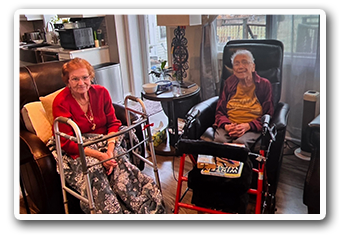
Residential assisted living provides built-in, vibrant social calendars, group dining, outings, and peer friendships that dramatically reduce isolation—a major risk factor for depression and cognitive decline. Residents report feeling safer and more engaged because companionship is constant and natural. Home-care providers deliver one-on-one time but often leave seniors alone for long periods, heightening loneliness and related health risks. Larger institutional facilities offer group programs, but the clinical atmosphere and scale can make interactions feel impersonal, contributing to lower family satisfaction in environment and dignity domains compared to assisted living communities.
In terms of resident independence, dignity, and overall quality of life, how do the living environments compare?
+
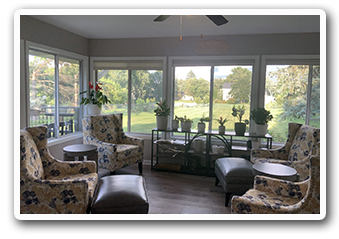
Residential assisted living excels by offering private accomodations, resident-directed choices in meals and schedules, and a homelike setting that preserves dignity while providing gentle support. Families and residents frequently rate it higher for quality of life because it feels like an extension of home with added security and community—leading to better emotional well-being and satisfaction. Home care services keeps people in familiar surroundings but lacks structured support for independence, often resulting in unmanaged risks and caregiver fatigue. Larger nursing homes, with their more institutional design and regimented routines, can diminish perceived autonomy and dignity, with surveys showing notably lower family satisfaction in environment and overall quality compared to residential assisted living.
How is medication management and ongoing health oversight handled, and why is assisted living often safer?
+
In residential assisted living, trained staff provide consistent, supervised medication assistance with built-in checks and immediate coordination with physicians, significantly lowering errors that are common in less structured settings. The smaller scale allows staff to notice early warning signs during daily interactions. Home care depends on varying caregiver training and family oversight, increasing risks of missed doses or interactions. Larger nursing homes handle complex medical needs but can experience higher error rates amid staffing pressures and volume, whereas assisted living’s focused model delivers reliable oversight without the hospital-like intensity.
What are the key differences in safety, supervision, and emergency response?
+
Residential assisted living offers superior everyday safety through 24/7 awake staff, emergency call systems throughout the community, controlled access, and proactive fall prevention in a purpose-designed environment. Help arrives within minutes, and staff know residents’ baselines intimately. Home care relies on scheduled visits or external emergency services, leaving dangerous gaps—especially at night or during delays—where falls or incidents can go unnoticed for hours. Larger institutional facilities provide strong medical emergency response but often suffer from higher resident-to-staff loads during non-peak times, leading to slower non-medical assistance and a more institutional feel that can increase anxiety. Assisted living’s balanced supervision model consistently delivers faster, more personalized safety.
How do daily activities, dining, and lifestyle programs vary in quality?
+
Residential assisted living stands out with home-prepared style dining choices, diverse wellness and recreational programs, and meaningful activities that promote physical and cognitive health in a social setting. This richness directly boosts quality of life and helps residents maintain function longer. Home care can be customized but rarely includes spontaneous group engagement, risking boredom and decline. Larger facilities emphasize therapeutic or medical activities with more limited choices and an institutional dining experience, which families often rate lower for enjoyment and dignity.
Are there differences in cleanliness, maintenance, and overall environment standards?
+
Residential assisted living communities are purpose-built with homelike aesthetics, private spaces, and high family-rated standards for cleanliness and upkeep, creating an environment that feels welcoming rather than clinical. This directly supports emotional well-being and perceived safety. Home care depends on the existing residence, which may have aging hazards or inconsistent maintenance. Larger nursing homes meet regulatory standards but often receive lower marks for homelike feel, with families noting more institutional vibes that can negatively impact quality of life.
How does flexibility in daily routines and resident choice compare?
+
Residential assisted living offers excellent flexibility within a supportive structure—residents can choose wake times, meal preferences, and activities while benefiting from reliable assistance that prevents overwhelm. This balance enhances independence and satisfaction. Home care provides high schedule freedom but lacks backup when needs increase, potentially leading to stress or safety issues. Larger institutional settings often follow more rigid timetables to manage scale, limiting personal choice and contributing to lower resident and family satisfaction scores.
Based on common experiences and data, how does overall resident and family satisfaction differ?
+
Residential assisted living frequently achieves the highest resident and family satisfaction ratings, particularly in environment, dignity, safety, and quality-of-life domains, thanks to its balanced model of support, community, and personalization. Surveys show residents feel safer and more content than living independently with fragmented home care, while families prefer it over the more institutional experience of larger nursing homes. Home care scores well for familiarity but lower on consistent socialization and emergency peace of mind. Larger facilities excel in acute medical needs but often lag in overall life satisfaction due to scale and atmosphere.
How does the cost of residential assisted living compare to home care and nursing homes?
+
Many families are pleasantly surprised to discover that residential assisted living often costs the same — or even less — than arranging full-time home care, while delivering significantly more comprehensive daily support and peace of mind.
With 24/7 home care, families frequently face high agency fees, inconsistent caregivers, scheduling gaps, and the challenge of coordinating multiple people to cover round-the-clock needs. Traditional nursing homes, while providing medical oversight, often come with a more institutional environment and additional charges for many basic services.
At Golden Age, our all-inclusive residential model provides 24/7 professional care, three delicious home-cooked meals daily with snacks anytime, housekeeping, laundry, transportation, medication management, and meaningful daily activities — all included in one predictable monthly fee.
Because we operate a small, intimate single-family home rather than a large institution, we are able to deliver higher-quality, truly personalized care without the overhead that drives up costs elsewhere. Families consistently tell us that when comparing the total value, residential assisted living at Golden Age gives them more care, more comfort, and more peace of mind for their investment.
Quality varies by specific provider — always review recent state inspection reports, visit multiple times (including unannounced), speak with current residents and families, and consult licensing data for the most accurate picture.